
If you are excited to straighten your teeth and then hear you need a filling first, it can feel like an annoying detour. A lot of patients ask the same thing: can you start Invisalign if you have a cavity, or do you need to fix the tooth before treatment begins
In most cases, it is smarter to treat the cavity first.
That does not mean your Invisalign plan is off the table. It usually means your dentist wants to make sure your teeth are healthy enough for aligners to fit well, move predictably, and stay comfortable throughout treatment. At Chris Wong DDS, that kind of conservative planning matters. The goal is not just straighter teeth. It is a stable, healthy result that still makes sense years from now.
Why cavities matter before Invisalign starts
Invisalign trays fit closely around your teeth for most of the day. That close fit is what helps guide tooth movement, but it also means small problems can get more complicated if they are ignored.
A cavity that looks minor on day one can worsen if plaque and bacteria stay trapped around the tooth. If decay progresses, you can end up with more sensitivity, more treatment, and a bigger interruption later.
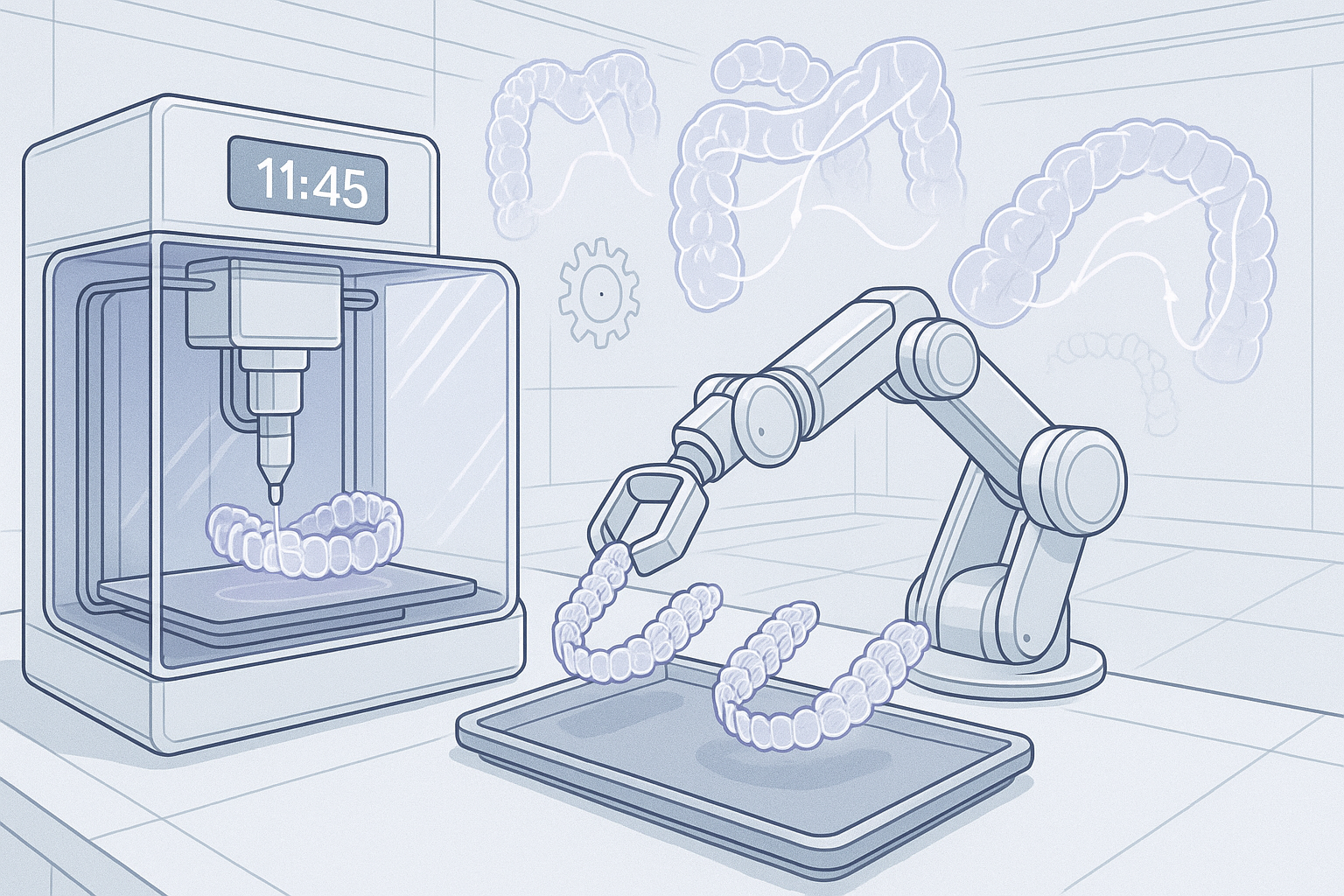
There is also a practical issue. Invisalign aligners are custom made to the exact shape of your teeth. If a cavity is filled after the trays are made, even a small change in tooth shape can affect how the aligners fit. Sometimes treatment can continue without a problem. Sometimes a new scan or updated trays are needed.
That is why most dentists would rather handle active decay before finalizing the aligner plan.
When a filling should come first
A filling is usually the right first step when the cavity is active, accessible, and likely to change the shape or health of the tooth. That is especially true if you already notice
- Sensitivity to sweets, cold, or biting pressure
- A rough edge, dark spot, or food trap
- A cavity between teeth where aligners will sit tightly
- A history of getting cavities easily
- Signs that the tooth needs more than simple monitoring
Treating the cavity first gives you a healthier baseline. It also helps Dr. Wong plan your Invisalign case around the actual shape of the restored tooth instead of guessing what might need to change later.
Are there times you can still move forward with Invisalign
Sometimes, yes. Not every spot that needs attention is a hard stop.
If there is an old filling that only needs monitoring, or a very early area of demineralization that has not become a real cavity, your dentist may recommend preventive care and keep the Invisalign timeline moving. The key is getting a real exam instead of assuming everything is fine because nothing hurts.
That exam matters because decay is often quiet. Many patients do not feel anything until the cavity is already larger.
How Dr. Wong approaches the decision
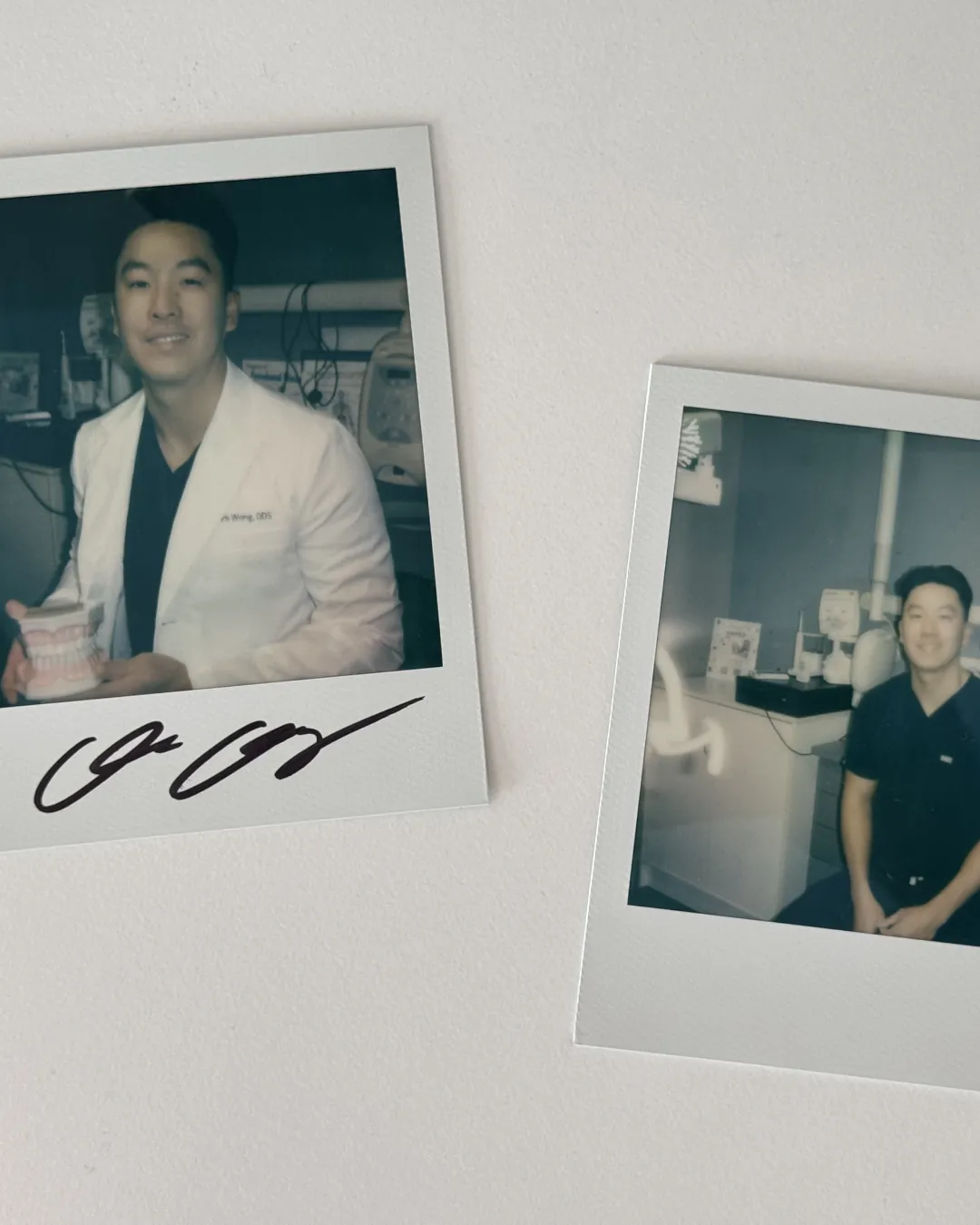
Chris Wong DDS is built around modern, conservative care. That is a good fit for this exact question because the right answer is rarely about rushing into treatment. It is about doing the small things early so the big plan works better.
Before starting Invisalign, Dr. Wong can evaluate
- Whether the tooth is healthy enough to move safely
- Whether a filling would change aligner fit
- Whether gum health and home care are ready for treatment
- Whether there are bite issues, cracks, or older restorations that should be addressed first
This kind of prep work protects the investment you are making in your smile. It also makes treatment easier to live with day to day.
What happens if you get a cavity during Invisalign
It happens. Invisalign is removable, which makes brushing and flossing easier than braces, but trays still cover the teeth for 20 to 22 hours a day. If you snack often, put aligners back in without cleaning well, or already have a high cavity risk, new decay can develop during treatment.
If a cavity shows up mid treatment, the next step depends on how large it is and where it sits.
For a small cavity, the tooth can often be filled and treatment can continue with little disruption. If the filling changes the tooth shape enough to affect the tray fit, you may need a new scan or a short pause while updated aligners are made. That is frustrating, but it is still better than letting decay spread.
How to lower the risk before and during clear aligner treatment
If you are thinking about Invisalign, the best move is to treat aligners like part of your oral health routine, not separate from it.
A few habits make a big difference
- Brush before putting trays back in
- Floss daily so plaque does not build between teeth
- Limit sugary drinks and frequent snacking
- Clean aligners every day
- Keep regular exams and cleanings on schedule
- Address sensitivity or rough spots early instead of waiting
For busy adults and teens in Palo Alto, this is where removable aligners can be a real advantage. You can eat normally and clean thoroughly, but only if you stay consistent.
Why this topic matters in Palo Alto right now
A lot of local Invisalign patients are professionals, students, and parents trying to fit treatment into a packed schedule. They want the cosmetic upside of straighter teeth without signing up for avoidable delays. That is exactly why pre treatment planning matters.
If you start Invisalign before dealing with a cavity that should have been filled, the short term convenience can turn into a longer interruption later. A careful exam up front is usually the faster path overall.
The simplest answer
Can you start Invisalign with a cavity in Palo Alto
Sometimes, but most active cavities should be treated first.
That is not bad news. It is the kind of smart, conservative step that helps your aligners fit better, keeps treatment more predictable, and protects your teeth while they are moving.
If you are considering Invisalign and are not sure whether an old filling, a sensitive tooth, or a possible cavity will get in the way, schedule a consultation at Chris Wong DDS. Dr. Wong can evaluate your teeth, explain what needs to happen first, and build a treatment plan that puts oral health and long term stability ahead of shortcuts.
FAQ
Will a filling delay Invisalign for a long time
Usually not. In many cases, a simple filling can be completed quickly and helps prevent longer delays once treatment starts.
Can Invisalign cause cavities
Invisalign does not directly cause cavities, but wearing trays over teeth that are not cleaned well can make decay more likely.
What if I already have crowns or fillings
Many patients with existing dental work are still good Invisalign candidates. The important part is making sure those teeth are healthy and stable before treatment begins.
Should I wait until my teeth feel painful to get checked
No. Cavities often stay painless until they are larger. If you are planning Invisalign, it is better to get evaluated early.
Invisalign tips for Palo Alto patients
Clear aligners work best when worn consistently and kept clean. Most tracking issues come from short wear time or trays that are not fully seated.
A consultation with a Palo Alto Invisalign provider helps set a realistic timeline, review attachments or refinements, and plan for retainers at the end.
- Wear aligners 20 to 22 hours each day
- Brush and floss before putting trays back in
- Bring aligners to every checkup for fit checks
Next best step
Want help applying this to your smile?
Here are the most relevant treatment pages for this topic, plus the fastest way to reach the office.