
If you crack a back tooth or find out an old filling has gotten too large to trust, one of the most common questions is this: do you need a crown, or is there a more conservative option
For some Palo Alto patients, the answer may be a dental onlay.
An onlay is a custom restoration that repairs the damaged part of a tooth without covering the entire visible tooth the way a crown does. That distinction matters. If enough healthy tooth structure is still intact, an onlay can sometimes protect the tooth while preserving more of what is naturally yours.
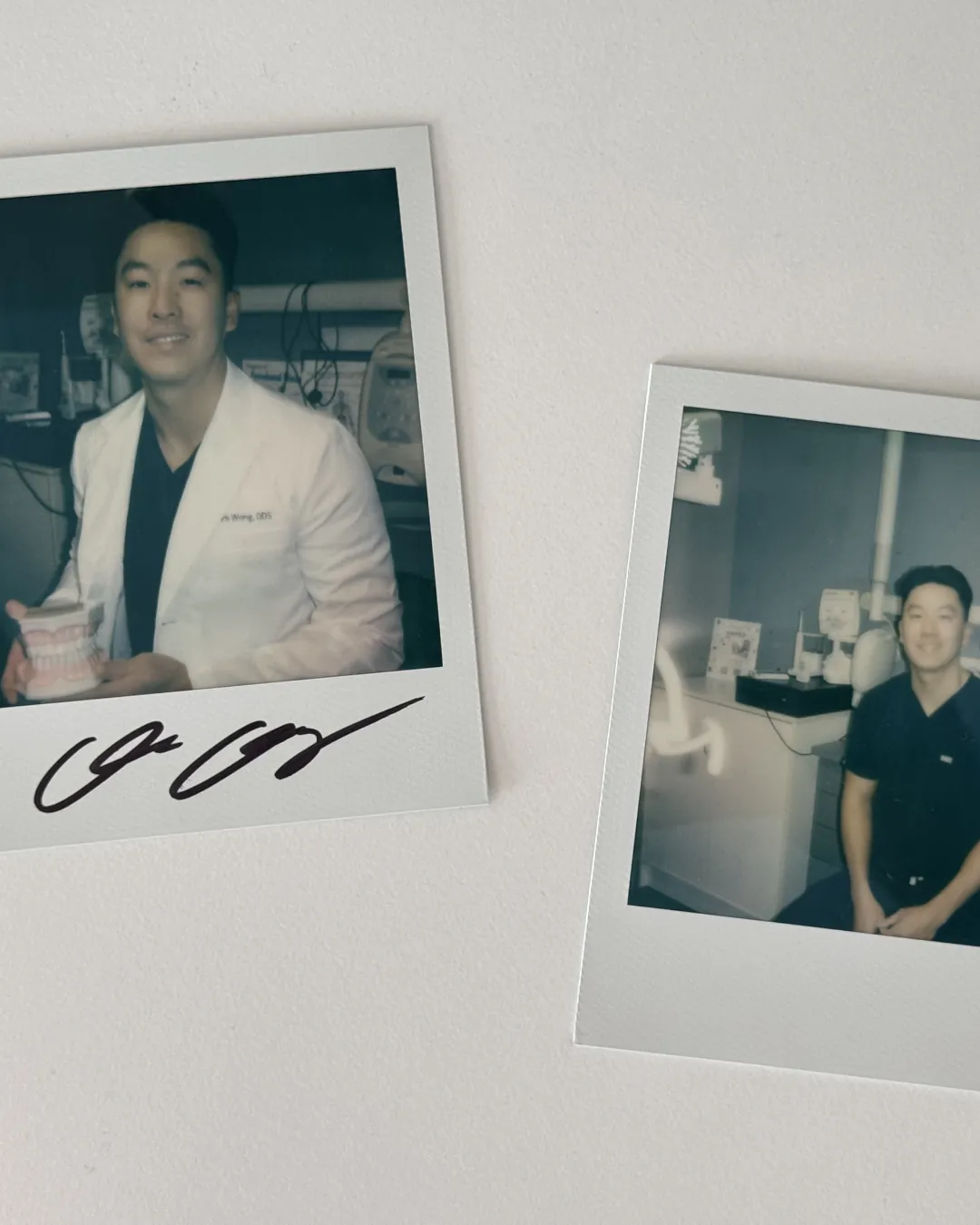
At Chris Wong DDS, that kind of conservative thinking fits the practice well. Dr. Wong emphasizes long term stability, careful diagnosis, and treatment plans that protect healthy enamel whenever possible. So if you have been told you may need a larger restoration, it is worth understanding where an onlay fits and when a crown is still the better choice.
What is a dental onlay
A dental onlay is a custom restoration used when damage is too extensive for a simple filling but does not necessarily require full coverage with a crown.
Think of it as the middle ground between a filling and a crown.
A filling works best for smaller areas of decay or wear. A crown covers the whole visible portion of the tooth above the gumline. An onlay repairs the chewing surface and one or more cusps of the tooth while leaving the healthy walls of the tooth in place when possible.
Recent patient education and restorative dentistry guidance continue to make the same basic point: if the outer walls of the tooth are still strong and stable, an onlay may preserve more natural structure than a crown. If the tooth is more extensively weakened, a crown is often the safer choice.
Why preserving tooth structure matters
Patients do not always hear this part clearly enough.
The more healthy tooth structure you can keep, the more options you may keep for the future too. A conservative restoration can reduce how much drilling is needed, support a more natural biting feel, and leave more of the original tooth in place.
That does not mean an onlay is always better. It means the right restoration depends on how much sound tooth is left.
For a practice like Chris Wong DDS, where conservative care is part of the brand and the clinical philosophy, this is exactly the kind of question patients are already asking. People in Palo Alto usually want thoughtful care, not automatic over-treatment.
When an onlay may make sense
An onlay is often considered when
- a cavity or old filling has become too large for another basic filling
- one or more cusps are cracked or weakened
- the tooth still has strong remaining walls
- the damage is mostly on the chewing surface
- you want a durable repair that protects the tooth without full coverage if possible
This is especially common with molars and premolars, where years of chewing pressure can wear down older fillings or create fractures around them.
If you are hearing phrases like "large failing filling," "cracked cusp," or "tooth is getting weak but still restorable," that is often the zone where an onlay discussion starts.
When a crown is usually the better choice
A crown is often recommended when the tooth needs more complete protection.
That may include situations where
- the tooth has extensive decay on multiple surfaces
- the remaining walls are too thin or weak
- a large crack puts the tooth at higher risk of breaking further
- the tooth has had root canal treatment and needs stronger full coverage
- the bite forces on that tooth are especially heavy
In those cases, trying to be too conservative can backfire. If the tooth is already structurally compromised, full coverage may be the more predictable and safer move.
That is the part people sometimes miss online. Conservative care does not mean doing the smallest treatment possible no matter what. It means doing the least invasive treatment that still gives the tooth a strong long term prognosis.
How dentists decide between an onlay and a crown
This decision is not made from a checklist alone. It comes from an exam, digital imaging, and a close look at how the tooth functions in your bite.
At your visit, your dentist is usually looking at
- how much healthy tooth structure remains
- whether the crack is limited or more extensive
- where the old filling sits
- how much force the tooth absorbs when you chew
- whether there is pain on biting, lingering sensitivity, or signs of deeper damage
- whether the tooth may need endodontic treatment instead
That last point matters. If a tooth is badly cracked or the nerve is already involved, the plan may change.
Are onlays durable
Yes, when the case is chosen well.
Modern onlays are commonly made from strong ceramic or similar tooth colored materials that can hold up very well under normal use. In a properly selected case, an onlay can provide excellent function and aesthetics for many years.
Durability depends on more than the material alone. It also depends on whether the tooth was a good candidate to begin with, whether the bite is balanced properly, and whether habits like clenching or grinding are putting the tooth under extra stress.
That is another reason a careful diagnosis matters more than chasing the cheapest fix.
What does treatment usually involve
Most onlay and crown cases require similar planning steps.
You will usually have an exam, imaging, and preparation of the tooth. Then the tooth is scanned or impressed so the final restoration can be made precisely. In many cases, a temporary restoration is placed until the final onlay or crown is ready. At the next visit, the custom restoration is bonded or cemented into place.
The patient experience can feel pretty similar. The difference is mostly in how much of the tooth is being covered and how much healthy structure needs to be reduced.
What should Palo Alto patients do if they are deciding now
If you have a cracked tooth, a large old filling, or pain when chewing, do not wait too long and hope it settles down.
Small fractures can become larger fractures. A repairable tooth can become a more complicated problem if too much structure breaks away. Getting it evaluated early gives you the best chance of staying in the more conservative lane.
That fits Chris Wong DDS well. The site emphasizes early detection, conservative restorative care, and clear explanations. A topic like this is timely because it helps patients understand a common fork in the road before the tooth turns into an emergency.
FAQ
Is an onlay cheaper than a crown
Sometimes, but cost should not be the deciding factor by itself. The better question is which restoration gives the tooth the best long term outlook based on its current condition.
Does an onlay preserve more tooth than a crown
Often yes. If the tooth still has solid outer walls, an onlay may preserve more natural structure than a crown.
Can an onlay be used on a cracked tooth
Yes, in some cases. If the crack and damage are limited and the remaining tooth is strong enough, an onlay may work well. If the tooth is more severely compromised, a crown may be safer.
How do I know which one I need
You need an exam, imaging, and a bite evaluation. The right answer depends on how much healthy tooth is left and how the tooth functions under pressure.
The bottom line
If you are comparing a dental onlay vs crown in Palo Alto, the real issue is not which restoration sounds smaller. It is which one protects your tooth while preserving as much healthy structure as possible.
For some teeth, that means an onlay. For others, a crown is the smarter call.
If you have a cracked tooth, a failing filling, or pain when biting, contact Chris Wong DDS to schedule an evaluation. A careful exam can show whether a conservative restoration is still on the table and what will give your tooth the best chance to stay strong.
How to apply this guidance
Online advice is a starting point, not a diagnosis. An exam helps us confirm what is happening and which options will deliver the best long term outcome.
If you are considering treatment in Palo Alto, we can review your goals, timing, and budget and outline next steps.
- Share symptoms, goals, and any dental anxiety
- Bring a list of medications and past dental work
- Ask about timeline and maintenance care
Next best step
Want help applying this to your smile?
Here are the most relevant treatment pages for this topic, plus the fastest way to reach the office.