
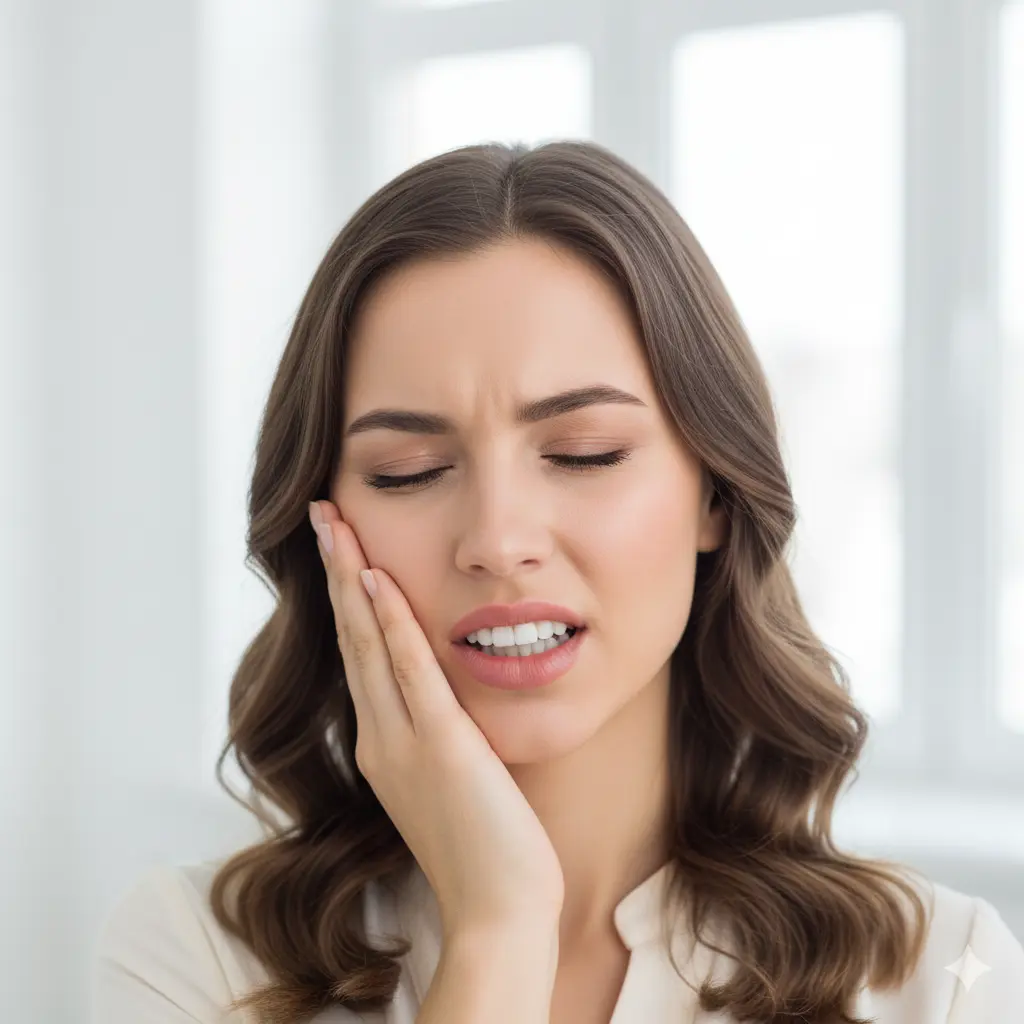
Jaw pain is annoying at best and miserable at worst. Sometimes it feels like it is coming from a tooth. Other times it shows up near your ear, spreads into your face, or flares up when you wake up in the morning. If you are trying to figure out whether your problem is TMJ, teeth grinding, or an actual tooth issue, you are not alone.
At Christopher B. Wong, DDS, we see this kind of confusion all the time. The hard part is that jaw pain can have more than one cause. A patient in Palo Alto might be clenching at night, dealing with a cracked tooth, or noticing jaw joint strain from stress and bite pressure. The right next step is not guessing. It is getting a careful exam so the real source can be identified early.
Why jaw pain is easy to misread
Your teeth, jaw joints, chewing muscles, and bite all work together. When one part gets irritated, the pain can spread. That is why a tooth problem can feel like jaw pain, and jaw joint inflammation can feel like a toothache.
A few common causes include
- TMJ irritation or dysfunction
- Teeth grinding or clenching, also called bruxism
- A cracked or infected tooth
- Bite changes after dental wear or older restorations
- Muscle tension from stress
This overlap is exactly why conservative dentistry matters. Instead of jumping straight to treatment, the goal is to find out what is actually driving the pain.
Signs your jaw pain may be related to TMJ
TMJ refers to the temporomandibular joints that connect your jaw to your skull. When those joints or the surrounding muscles get inflamed or overworked, symptoms can show up in ways that feel surprisingly broad.
Jaw pain may be more likely related to TMJ if you notice
- Clicking, popping, or grinding when you open and close
- Jaw stiffness, especially in the morning
- Pain near the ears or across the sides of the face
- Trouble opening wide or chewing comfortably
- Headaches, neck tension, or facial soreness
TMJ discomfort often feels muscular or joint-based instead of sharply focused on one tooth. Some people notice it gets worse during stressful periods or after long days of clenching while working.
When teeth grinding is the real problem
Teeth grinding and jaw clenching are some of the biggest reasons people wake up with sore jaws. If you live with a high stress schedule, work long hours, or grind in your sleep without realizing it, your jaw muscles may be doing a full workout overnight.
Clues that grinding may be part of the problem include
- Morning jaw soreness
- Tension headaches when you wake up
- Flattened or worn teeth
- Tooth sensitivity without an obvious cavity
- A partner hearing grinding sounds at night
Grinding does not just irritate the jaw. Over time, it can also wear enamel, chip teeth, strain dental work, and make your bite feel off. That is one reason a custom night guard can be worth discussing before the damage gets worse.
Signs the pain may be coming from a tooth instead
Sometimes the source is not the joint at all. It is a tooth that needs help.
A dental problem may be more likely if you have
- Sharp pain when biting down
- Sensitivity to cold, heat, or sweets
- Swelling in the gums or face
- A bad taste in your mouth
- One specific area that feels easy to point to
- Pain that keeps getting worse instead of coming and going
Common causes include cavities, cracked teeth, failing fillings, gum infection, and tooth abscesses. These issues usually do not improve by waiting. In fact, they tend to get more complicated and more expensive if they are ignored.
What about jaw clicking without pain
Jaw clicking by itself is not always an emergency. Some people have clicking for years without major symptoms. But clicking that comes with pain, locking, difficulty chewing, or a bite that suddenly feels different deserves a closer look.
The same goes for jaw soreness that keeps returning. Even if the pain is mild, repeated irritation can point to a bite issue, grinding, or a tooth problem that is slowly getting worse.
How a Palo Alto dentist can sort it out
The best first step is a comprehensive exam with digital imaging when needed. At our Palo Alto office, that means looking at the whole picture
- Your symptoms and when they started
- Where the pain shows up and what triggers it
- How your teeth fit together when you bite
- Signs of tooth wear, cracks, decay, or older restorations breaking down
- Jaw movement, muscle tenderness, and joint sounds
This kind of evaluation matters because treatment should match the cause. If the pain is coming from grinding, the solution may focus on protecting your teeth and reducing strain. If a damaged tooth is the problem, prompt restorative care may be the priority. If both are happening at once, the plan may need to address each issue in the right order.
When you should not wait
Some jaw pain can wait a day or two for a routine appointment. Some should be checked sooner.
Call a dentist promptly if you have
- Facial swelling
- Fever
- Severe pain that is getting worse
- Trouble opening your mouth
- Pain when biting on one tooth
- A tooth that feels cracked, loose, or suddenly different
Those symptoms can point to infection, a cracked tooth, or another issue that should not sit on your calendar while you hope it settles down.
What treatment might look like
There is no one size fits all answer, which is exactly why self-diagnosing jaw pain is such a mess.
Depending on what the exam shows, treatment might include
- Monitoring mild joint symptoms
- A custom night guard for grinding or clenching
- Bite adjustment in select cases
- Restorative treatment for a cracked tooth or failing filling
- Periodontal or infection-related treatment if the gums are involved
- Guidance on soft foods, jaw rest, and reducing aggravating habits
The good news is that many causes of jaw pain respond well when caught early. Small fixes beat crisis dentistry every time.
A practical next step for Palo Alto patients
If your jaw hurts and you are not sure why, skip the guessing game. A careful exam can usually narrow down whether the issue is TMJ related, grinding related, tooth related, or a combination of the three.
At Christopher B. Wong, DDS, our approach is modern, conservative, and focused on helping you keep problems small whenever possible. If you are dealing with jaw soreness, clicking, morning tension, or pain that seems tied to one tooth, schedule an appointment at our Palo Alto office. We can evaluate what is going on, explain what we see, and help you choose the next step with confidence.
FAQ
Can TMJ pain feel like a toothache
Yes. TMJ pain can radiate into the face and jaw in a way that feels similar to tooth pain. An exam helps separate joint symptoms from a true dental problem.
Does teeth grinding always cause jaw pain
Not always, but it commonly causes morning soreness, headaches, enamel wear, and muscle tension. Some people grind for a long time before they notice clear symptoms.
When is jaw pain a dental emergency
Jaw pain with swelling, fever, severe bite pain, or a suspected cracked or infected tooth should be evaluated quickly.
Should I see a dentist or a TMJ specialist first
Starting with a dentist is often the smartest move, especially if you are not sure whether the source is your teeth, bite, or jaw joint. A dentist can rule out common dental causes and guide the next step.
When to seek emergency dental care
Dental pain, swelling, or trauma should be evaluated quickly. Early treatment can prevent infections from spreading and reduce the need for more invasive work.
If you are not sure whether your issue is urgent, call our office. We can guide you on next steps and arrange care when possible.
- Severe or persistent tooth pain
- Swelling, fever, or signs of infection
- Broken, knocked out, or loose teeth
Next best step
Want help applying this to your smile?
Here are the most relevant treatment pages for this topic, plus the fastest way to reach the office.