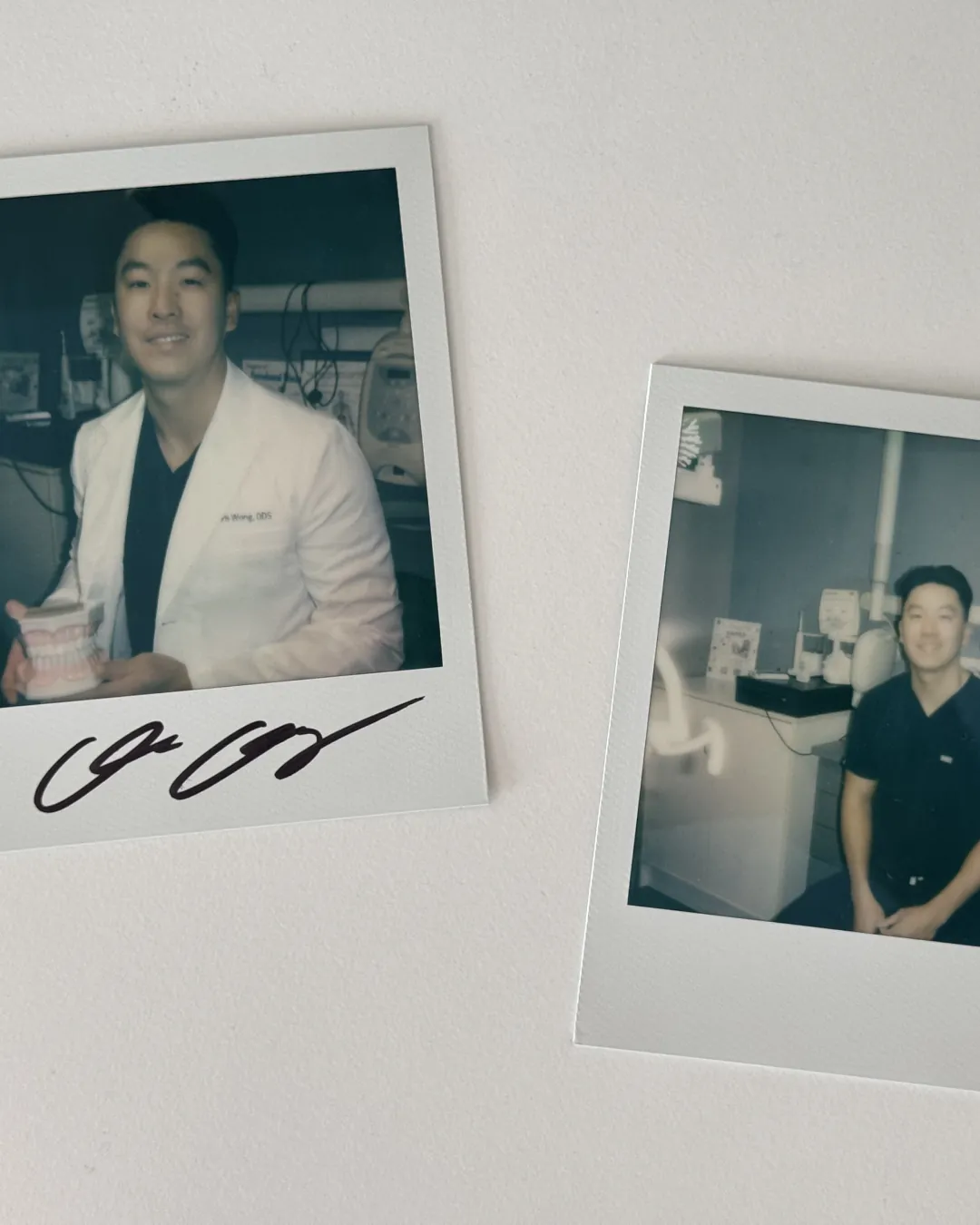
If you just lost your retainer, the first feeling is usually panic. You finished braces or Invisalign, your teeth finally look the way you wanted, and now the one thing holding everything in place is gone.
Take a breath. This is common, and it is usually fixable.
The key is to act quickly. Teeth can start to drift after orthodontic treatment, especially during the first year, and the front teeth are often the first place patients notice small changes. If you are in Palo Alto and your retainer is missing, broken, or no longer fits, the smartest move is to call your dentist as soon as possible and get a plan in place before minor movement becomes a bigger reset.
At Christopher B. Wong, DDS, we take a conservative approach to dentistry. That means protecting the healthy progress you already made, avoiding unnecessary retreatment when possible, and helping you get back to a stable routine fast.
Why retainers matter more than most people think
After Invisalign or braces, your teeth do not just freeze in place. The bone and supporting tissues around them need time to reorganize and stabilize. That is why retainers matter.
A retainer helps
- hold your teeth in their corrected positions
- reduce the chance of relapse
- protect the time and money you already invested in treatment
- keep your bite feeling balanced and comfortable
Even if it has been a while since orthodontic treatment, teeth can still shift over time. Everyday pressure from chewing, clenching, grinding, and normal aging can gradually change alignment.
How fast can teeth shift without a retainer?
It depends on your situation, but the short answer is: sometimes faster than people expect.
Patients are usually at the highest risk of movement soon after finishing braces or Invisalign. In that window, missing even a few days can matter. If you finished treatment years ago, movement may be slower, but it is still possible.
You may notice
- tightness if you try an older retainer
- a small gap reappearing
- slight crowding in the lower front teeth
- changes in how your teeth touch when you bite
If your retainer is lost, cracked, warped, or suddenly feels too tight, do not force it. An ill-fitting retainer can create discomfort and may not guide your teeth correctly.
What to do right away if you lost your retainer
1. Check the obvious places first
Look in the places retainers usually disappear
- napkins, lunch bags, or takeout containers
- jacket pockets and backpacks
- bathroom counters
- nightstands
- your car
- pet areas, if you have a dog that likes chewing plastic
If you find it, inspect it carefully. If it is cracked, bent, or no longer looks clean and intact, do not assume it is safe to wear.
2. Call your dental office promptly
If you are searching for help with a lost retainer in Palo Alto, speed matters. The sooner you contact your provider, the easier it usually is to replace the retainer before noticeable movement happens.
During that call, be ready to share
- whether your retainer is fully lost or damaged
- how long it has been since you last wore it
- whether your teeth still feel the same
- whether you recently completed Invisalign or braces
If recent scans are available, replacement may be simpler. If not, a new digital scan may be the next step.
3. Do not try DIY fixes
This is where people get themselves into trouble.
Do not heat a warped retainer. Do not bend it back into shape. Do not keep wearing a cracked appliance because it is "close enough." And do not buy an online shortcut unless a dentist has confirmed it is appropriate for your case.
A poorly fitting retainer can irritate your gums, fit unevenly, or fail to protect your result.
4. Watch for signs of movement
While you are waiting for your appointment, pay attention to whether anything feels different. Small changes are worth mentioning because they affect the best next step.
If your teeth have already moved, you may need more than a simple replacement. In some cases, a short Invisalign touch-up plan may be recommended before a new retainer is made.
What happens at a replacement retainer visit?
At our Palo Alto office, the goal is to make the process clear and low stress.
Depending on your situation, your visit may include
- a conversation about when the retainer was lost and how it used to fit
- an evaluation of whether your teeth appear stable
- digital scanning to capture your current alignment
- recommendations for replacement options
- guidance on how to wear and care for the new retainer
If your teeth still look stable, replacing the retainer is often straightforward. If there has been some movement, Dr. Wong can explain whether monitoring, minor correction, or a new aligner plan makes the most sense.
Can an old retainer still work?
Maybe, but only if it still fits properly.
If you have a backup retainer and it seats fully without excessive pressure, that may help protect your alignment until you can be seen. But if it feels painfully tight, does not seat all the way, or leaves obvious gaps, stop and call your dentist.
The right approach is not brute force. It is a careful assessment.
How to lower the chances of losing your retainer again
Most retainer loss is not random. It usually happens because there was no routine.
A few habits help a lot
- always store it in its case when it is out of your mouth
- never wrap it in a napkin at restaurants or school
- keep the case in the same bag or drawer every day
- clean it with the method your dentist recommends
- bring it to checkups if you have fit questions
For busy adults, teens, and families in Palo Alto, simple routines beat good intentions every time.
When a lost retainer becomes a bigger issue
Sometimes the retainer itself is not the only problem. If you are noticing clenching, grinding, jaw tension, or repeated breakage, it may be worth looking at the bigger picture. Those forces can affect tooth position over time and may influence what type of appliance is best for long term stability.
That is one reason a conservative, comprehensive exam matters. The best fix is not just replacing plastic. It is making sure your bite, habits, and treatment history are all working together.
FAQ
How urgent is it to replace a lost retainer?
It is best to call as soon as possible. Some patients can go a short time without major movement, but others notice shifting quickly, especially soon after Invisalign or braces.
Should I wear my old retainer if it feels tight?
Not without guidance. Mild snugness can be normal, but significant tightness, pain, or incomplete fit can be a sign that your teeth have already moved.
Can Invisalign fix teeth that shifted after I lost my retainer?
Sometimes, yes. If the movement is limited, a short Invisalign touch-up may be an option before a new retainer is made. The right answer depends on how much movement occurred.
What if my retainer cracked instead of getting lost?
A cracked retainer should still be evaluated quickly. Even small cracks can affect fit and function.
Protect your result before small changes turn into bigger ones
If you lost your retainer in Palo Alto, do not wait for your teeth to tell you there is a problem. Early action is usually the easiest path.
At Christopher B. Wong, DDS, we help patients protect the results of Invisalign and other orthodontic treatment with clear guidance and conservative care. If your retainer is lost, broken, or no longer fits, contact our office to schedule an evaluation and discuss the best next step for your smile.
Invisalign tips for Palo Alto patients
Clear aligners work best when worn consistently and kept clean. Most tracking issues come from short wear time or trays that are not fully seated.
A consultation with a Palo Alto Invisalign provider helps set a realistic timeline, review attachments or refinements, and plan for retainers at the end.
- Wear aligners 20 to 22 hours each day
- Brush and floss before putting trays back in
- Bring aligners to every checkup for fit checks