
If one tooth suddenly zings when you sip ice water or bite into something cold, it is easy to hope it will go away on its own. Sometimes it does calm down for a few days. But cold sensitivity is often your tooth's way of telling you something has changed.
At Chris Wong DDS, this comes up often for patients from Palo Alto, Menlo Park, Stanford, and nearby neighborhoods. The cause may be minor and easy to treat, or it may point to a cavity, a small crack, gum recession, or a worn filling. The real win is catching it early so treatment can stay focused, conservative, and predictable.
What cold sensitivity usually means
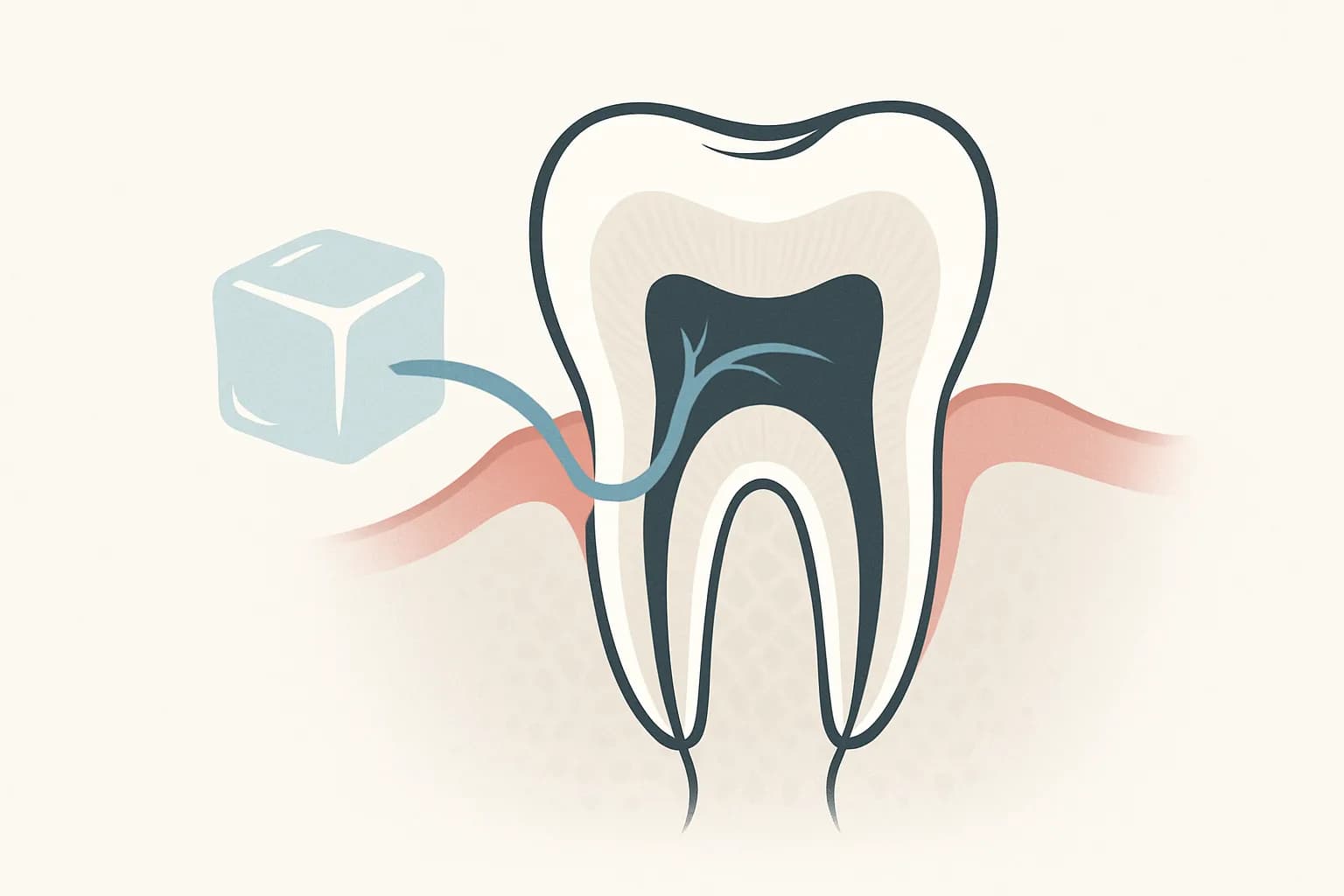
Teeth are protected by enamel on the outside and dentin underneath. Dentin contains tiny pathways that connect to the nerve inside the tooth. When enamel gets thinner, gums recede, or a tooth develops damage, cold temperatures can reach those pathways more easily and trigger a sharp, quick pain.
Cold sensitivity can show up as
- a sudden zing with cold water, iced coffee, or dessert
- sensitivity in one tooth or several teeth
- pain that lasts a second or two, or lingers after the cold is gone
- discomfort when breathing in cold air
The pattern matters. A quick, mild sensation is different from lingering pain or tenderness when you bite down.
Common reasons your tooth feels sensitive to cold
1. A cavity is starting to get deeper
One of the most common reasons for cold sensitivity is decay. A small cavity may not cause much pain at first, but as it moves deeper into the tooth, cold foods and drinks can start to trigger symptoms.
You may be more likely dealing with a cavity if
- sweet foods also bother the tooth
- food gets stuck in one area repeatedly
- you notice roughness, staining, or a visible hole
- the sensitivity seems to be getting worse over time
When decay is caught early, treatment is often straightforward. A conservative filling can restore the tooth and stop the sensitivity before the problem becomes larger.
2. A cracked tooth or chipped edge
Tiny cracks are not always obvious in the mirror. Some only show up when you chew or when the tooth is exposed to temperature changes. In Palo Alto, this often shows up in patients who clench, grind, chew hard foods, or have older restorations under stress.
A crack becomes more likely if
- the pain is mostly in one specific tooth
- biting sometimes hurts or feels uneven
- cold causes a sharp, sudden response
- you have a history of clenching or grinding
Small cracks can become bigger if ignored. That is one reason early evaluation matters. Dr. Wong's conservative approach is especially useful here because the goal is to preserve healthy tooth structure while stabilizing the area.
If that symptom pattern sounds familiar, our cracked tooth emergency dentist guide explains when cold pain and bite pain can point to a deeper fracture.
3. Gum recession exposing the root surface
If the gumline has moved down, the root surface of the tooth may be exposed. Roots do not have the same enamel protection as the visible part of the tooth, so they can be much more reactive to cold.
This is common in adults who
- brush too aggressively
- have had gum inflammation in the past
- clench or grind their teeth
- naturally have thinner gum tissue
Root sensitivity may be treated with desensitizing products, changes in home care, fluoride support, or restorative treatment if the area is worn or notched.
4. A worn filling or crown margin
If you have older dental work, cold sensitivity can also mean that a restoration is no longer sealing the tooth well. Fillings can wear down. Tiny openings can form around the edges. In some cases, the tooth underneath starts to leak, decay, or react.
This does not always mean the entire restoration needs to be replaced. Sometimes the fix is smaller than patients expect. The important part is having it checked before the tooth breaks further or symptoms escalate.
5. Teeth grinding and enamel wear
Grinding often shows up as morning jaw tension, flattened edges, or teeth that seem generally more sensitive than they used to be. Over time, grinding can wear enamel and put more pressure on already stressed teeth.
If cold sensitivity comes with sore jaw muscles, headaches, or chipped edges, night grinding may be part of the picture. In those cases, treatment may involve both repairing the tooth and protecting it from ongoing wear.
When cold sensitivity is more urgent
Not every sensitive tooth is an emergency, but some symptoms deserve a faster visit.
Call sooner if you notice
- pain that lingers well after the cold is gone
- swelling in the gum or face
- pain when biting
- a visible crack or broken piece of tooth
- sensitivity that suddenly appears and gets worse quickly
- a history of recent trauma or a lost filling
Lingering pain can suggest the nerve inside the tooth is more inflamed than a simple sensitivity issue. A cracked tooth can also worsen unexpectedly if you keep chewing on it. A same-week visit can often keep a small problem from turning into a true emergency dental situation.
What to do at home before your appointment
If your tooth is sensitive to cold right now, a few simple steps can help keep it from flaring up more
- avoid very cold drinks on that side
- skip chewing ice or hard foods
- use a soft-bristled toothbrush
- brush gently at the gumline
- try a toothpaste made for sensitive teeth
- keep the area clean so plaque does not add more irritation
These steps may reduce discomfort, but they do not replace an exam if the sensitivity keeps returning.
How we diagnose the cause at our Palo Alto office
The best treatment depends on why the tooth is reacting. At your visit, Dr. Wong will look at the tooth structure, existing fillings, bite pressure, and gum health. Digital imaging may be used when needed, and the findings are explained in plain language.
That matters because "sensitive teeth" is not one diagnosis. A cavity, a crack, gum recession, and a bite issue can all feel similar at home but call for different solutions. That is also why this topic sits naturally inside restorative dentistry, where the focus is protecting teeth before damage becomes more expensive or invasive to repair.
Treatment depends on the actual cause
Once the source is clear, treatment is usually focused and practical.
Possible next steps may include
- a small filling for early decay
- repair or protection for a cracked tooth
- replacing a worn restoration if it is leaking
- desensitizing care for exposed root surfaces
- bite adjustment or a night guard if grinding is contributing
The goal is not to jump to the biggest procedure. It is to solve the real problem with the least invasive option that protects the tooth long term.
A quick note for parents
Children can also complain that one tooth hurts with cold drinks or ice cream, and the cause is not always obvious at home. If your child keeps pointing to the same tooth or starts avoiding cold foods, it is worth having it evaluated through a prevention-focused pediatric dentistry visit instead of waiting for the symptom to become more dramatic.
FAQ
Can a sensitive tooth go away on its own?
Sometimes mild irritation settles down, especially if it was triggered by whitening or temporary gum irritation. But if the same tooth keeps reacting to cold, it is worth evaluating.
Is cold sensitivity always a cavity?
No. Cavities are one common cause, but cracks, recession, worn restorations, and grinding can also lead to sensitivity.
Should I wait if it only hurts with ice water?
If it is occasional and improving, you may monitor it briefly. If it keeps returning, becomes more intense, or starts hurting when you bite, schedule an exam.
Get answers before a small problem turns into a bigger one
If you have a tooth sensitive to cold in Palo Alto, the safest move is to get it checked before the issue becomes more painful or more expensive to fix. Chris Wong DDS provides modern, conservative care for children, teens, and adults, with treatment plans built around long-term comfort and clarity.
Contact the office to schedule an evaluation. You will get a clear explanation of what may be causing the sensitivity and what the most practical next step looks like for your smile.
Restorative planning in Palo Alto
The right restoration is the one that protects the tooth without removing more structure than necessary. That is why treatment decisions are based on how much healthy tooth remains, how the tooth handles bite pressure, and how predictable the repair will be over time.
If you have a cracked tooth, a large older filling, or pain when chewing, an exam can clarify whether a filling, crown, or another restorative option is the safest long-term move.
- Treat cracks and failing fillings before they become emergencies
- Ask how much natural tooth structure remains
- Match the restoration to both function and long-term durability